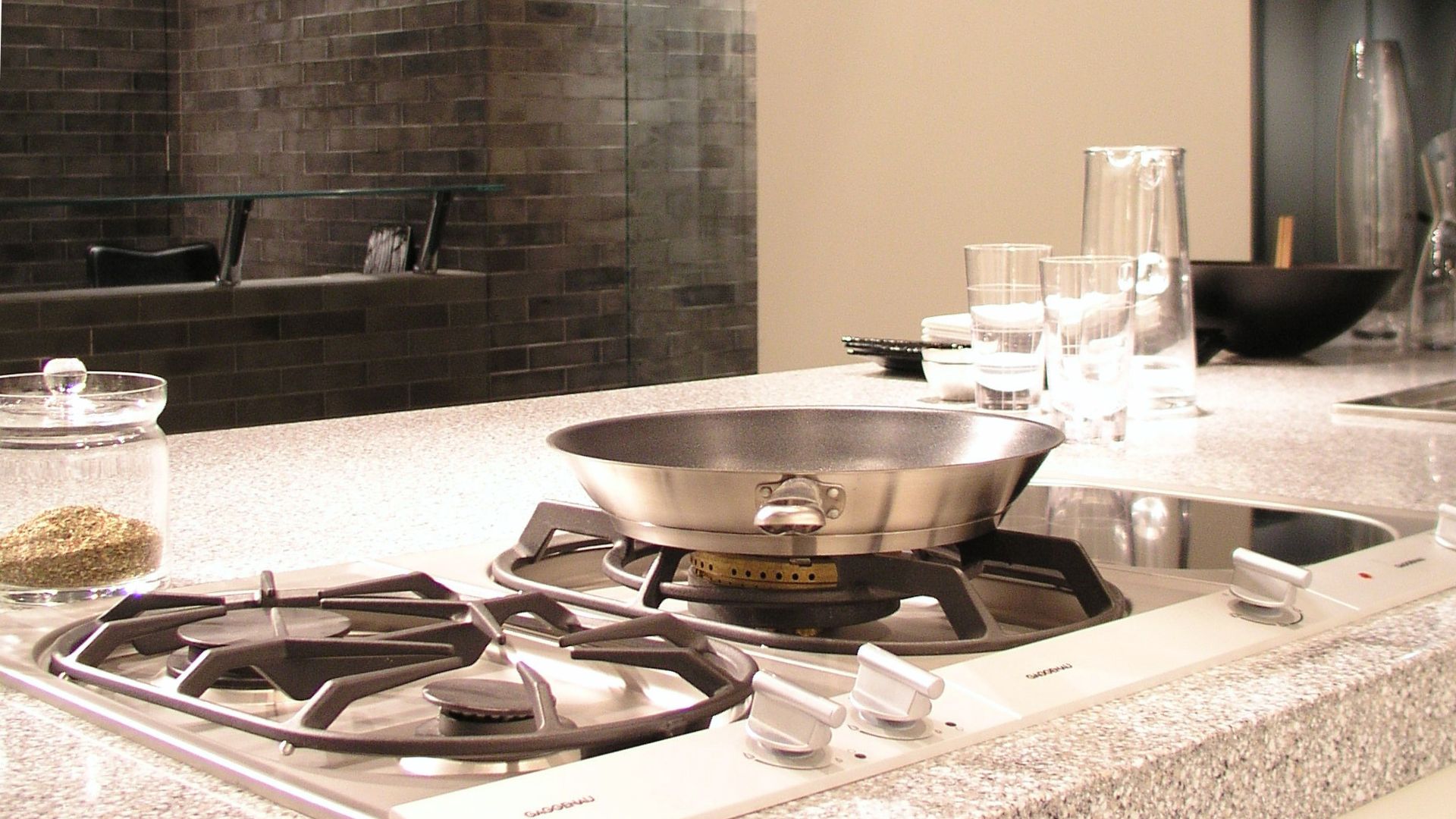
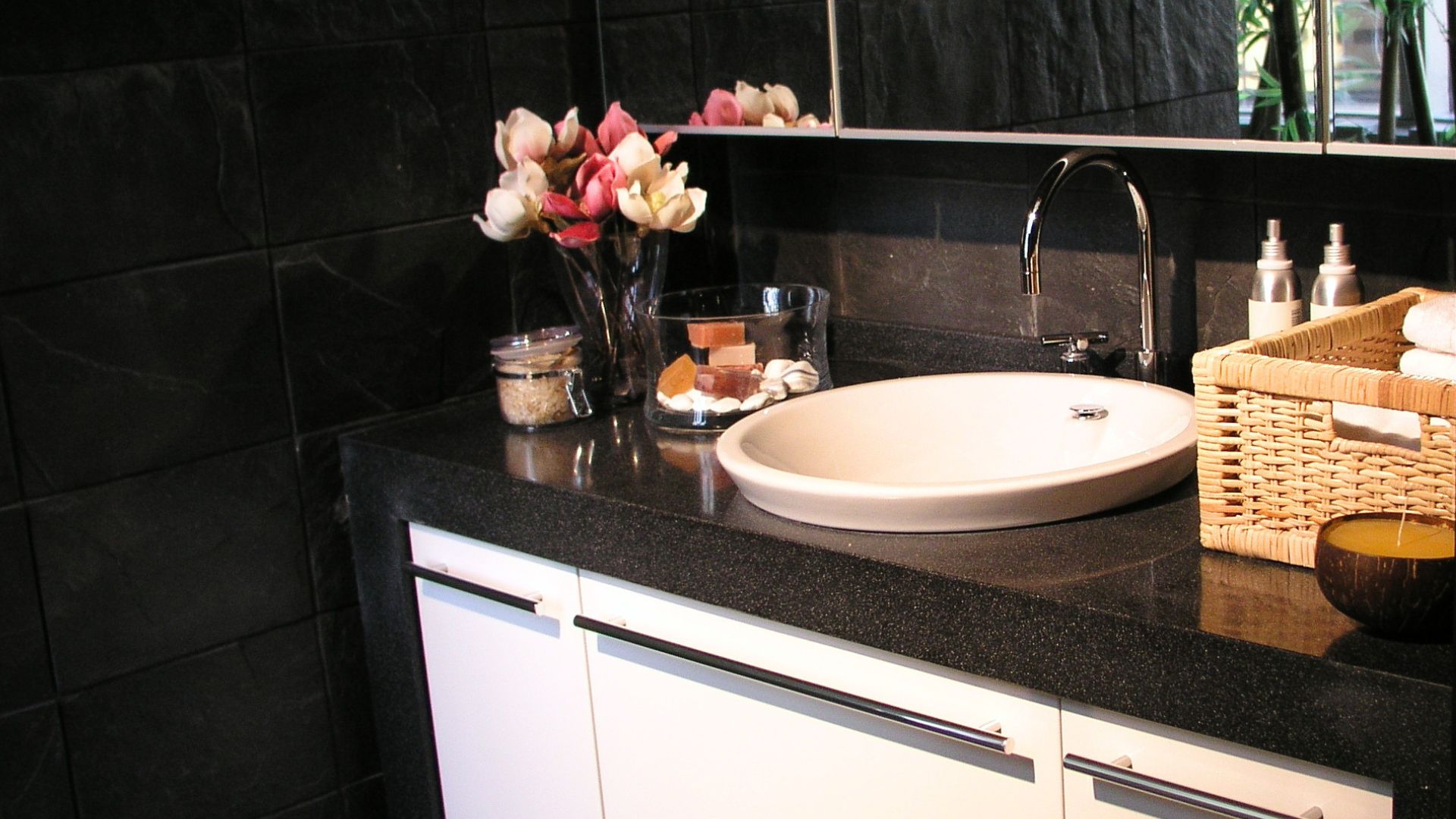
Stone countertop and integrated cooktop detail
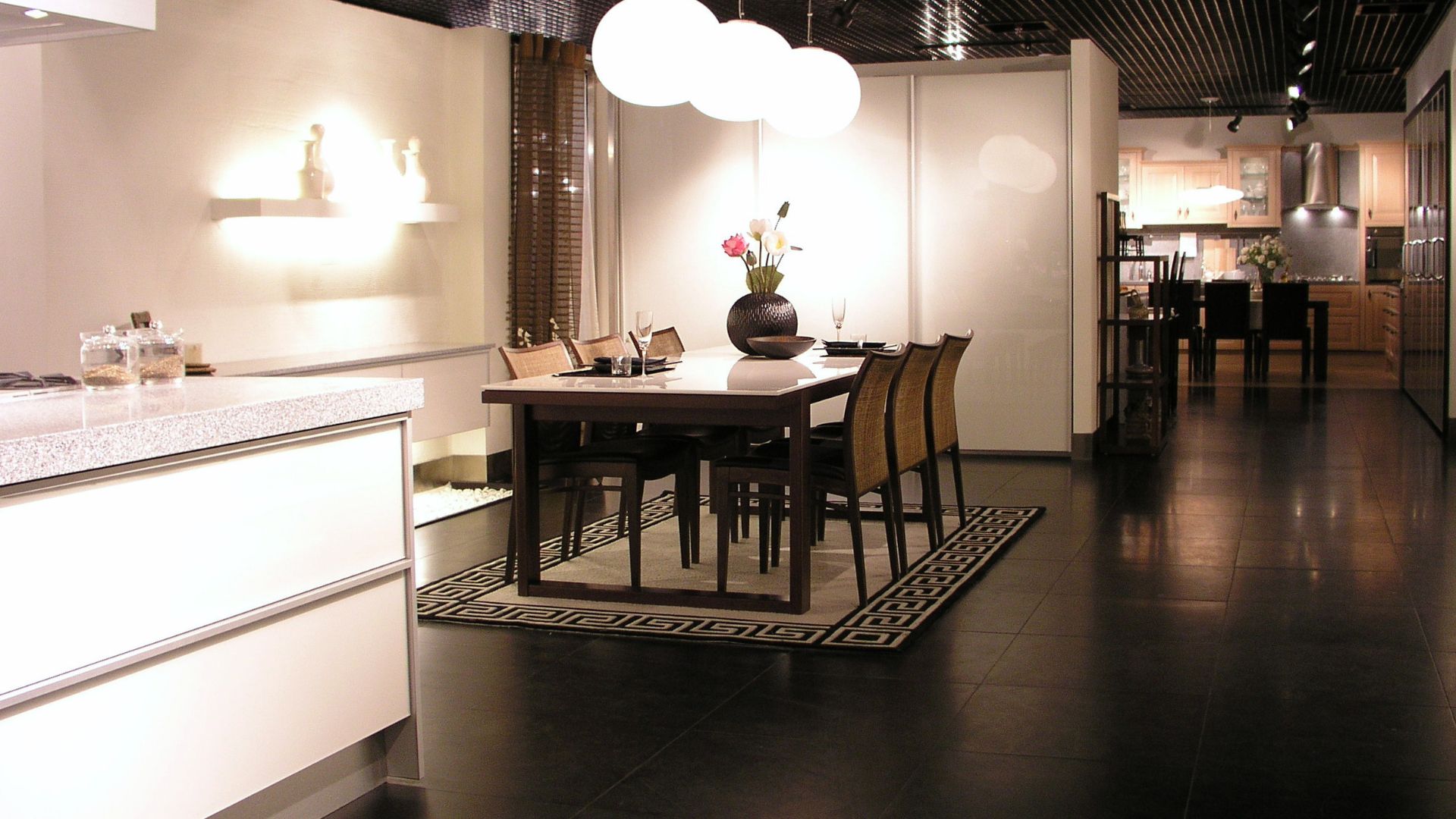
Spatial Design / Cross-Cultural Experience
Cross-cultural spatial design bridging Korean kitchen systems and Chinese living culture.
Overview
Hanssem is a leading Korean kitchen and interior brand expanding into the Chinese market. This showroom in Beijing was designed to introduce modern modular kitchen systems while resonating with local lifestyle expectations. I worked closely with the lead designer, supporting both the conceptual development and on-site execution. My role focused on bridging communication between design intent and construction reality, while ensuring the space reflected cultural nuances in material, layout, and daily use. The project required balancing brand consistency with regional adaptation—translating a Korean design system into a spatial experience meaningful to Chinese users.
Context & Challenge
Designing for a new market required more than visual translation—it required understanding how culture shapes everyday behavior. Key differences influenced the design direction:
Design Approach
The design approach focused on creating a layered spatial experience that integrates functionality, cultural familiarity, and visual clarity. My contributions included:
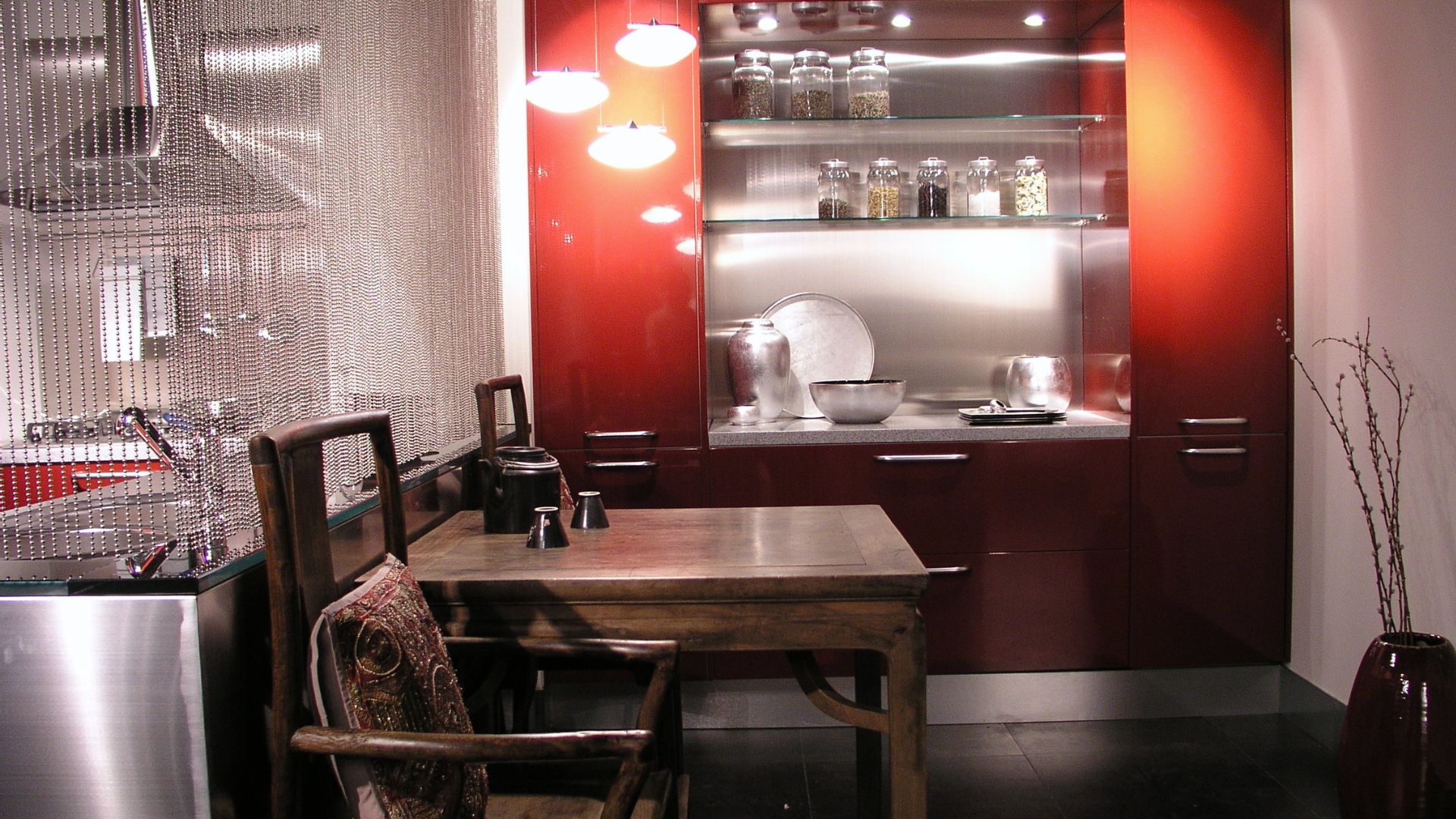
Spatial Experience
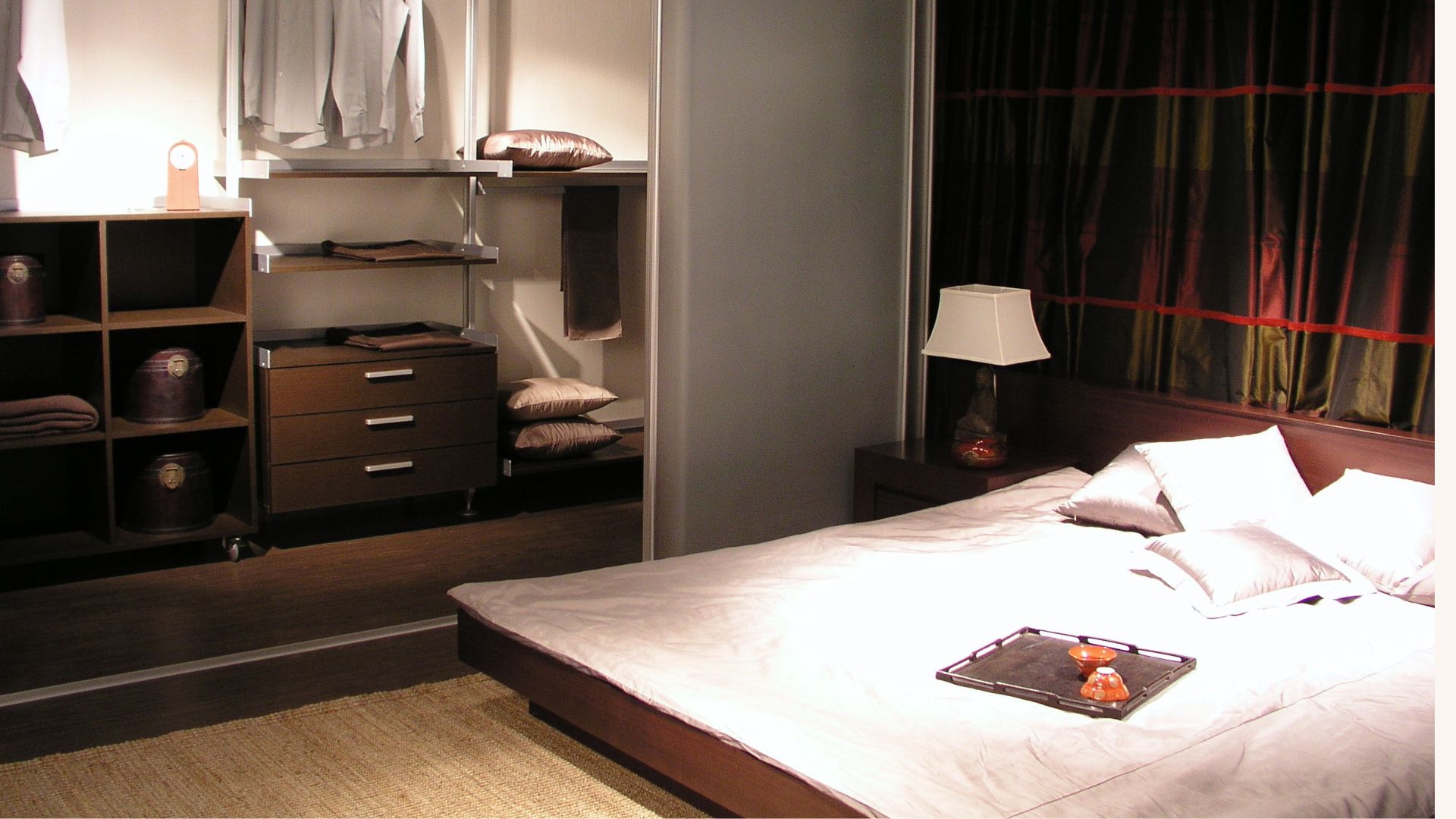
The showroom is organized as a sequence of connected zones, allowing visitors to experience the kitchen not as an isolated product, but as part of everyday living. Each area is designed to highlight a different aspect of functionality, atmosphere, and cultural context, while maintaining a cohesive visual language throughout the space.
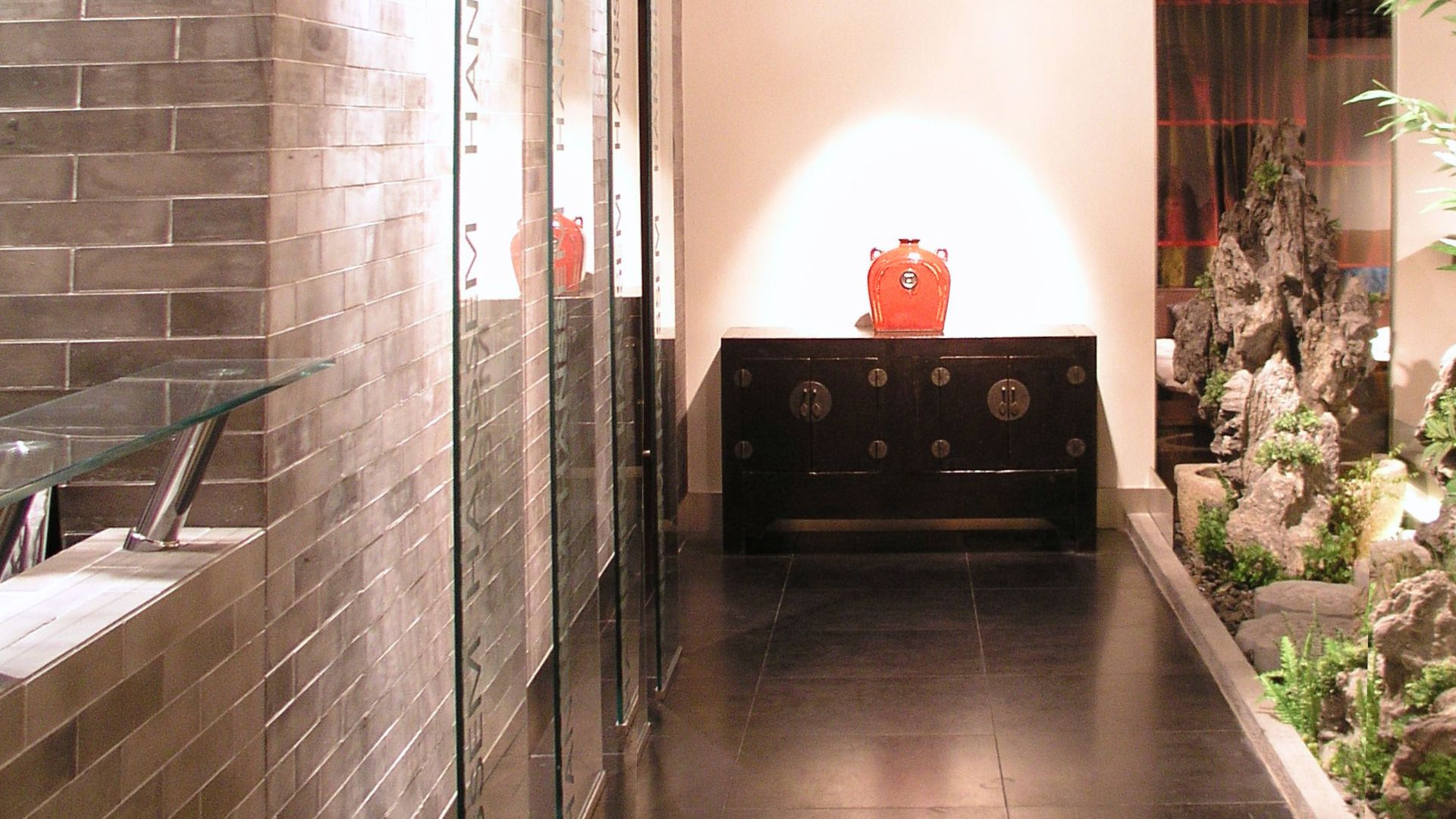
The entry sequence was designed to create a gradual transition from the exterior into a curated interior environment. Elements such as bamboo, stone, and controlled lighting introduce a calm, grounded atmosphere, setting the tone for the showroom experience.
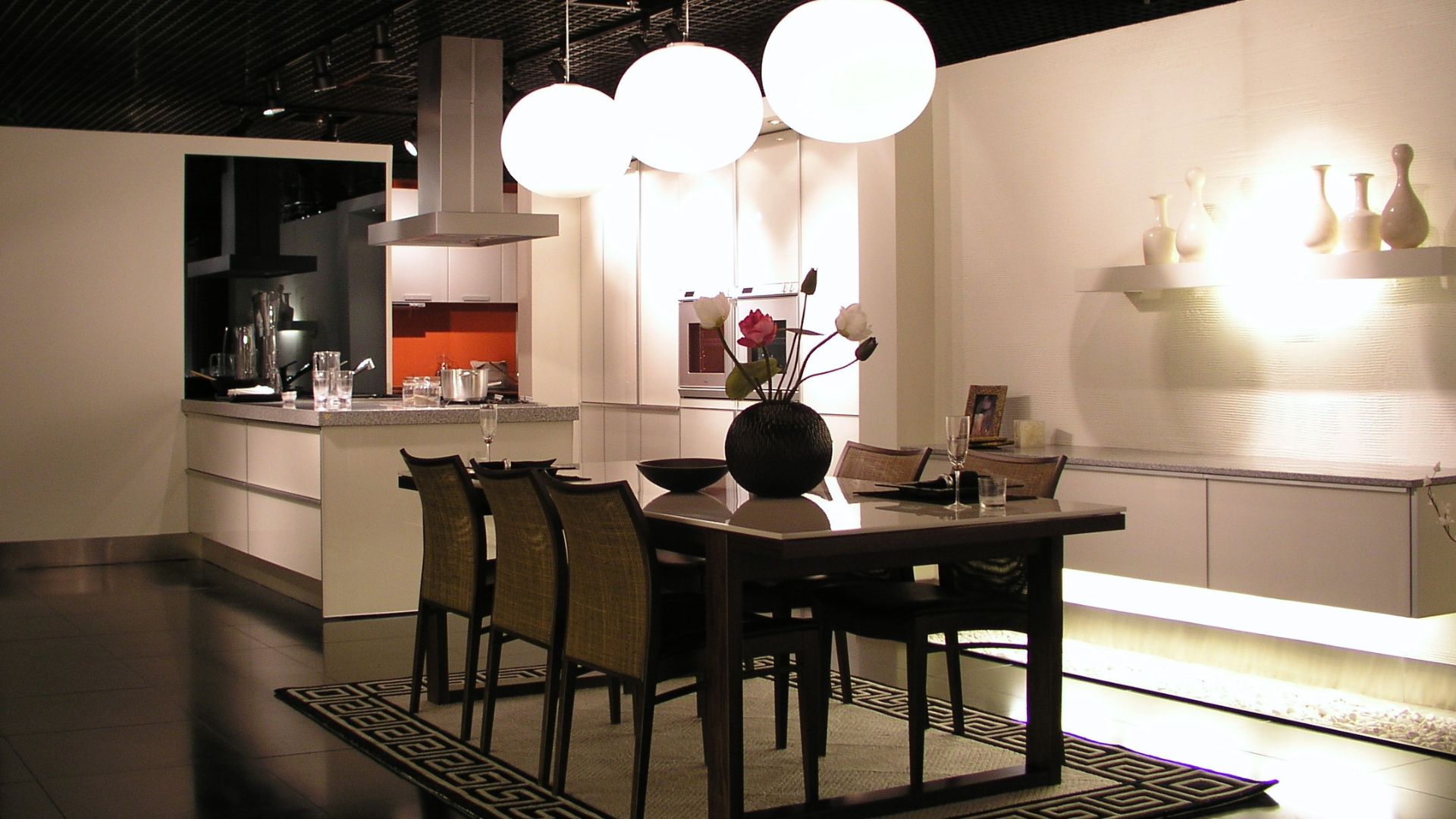
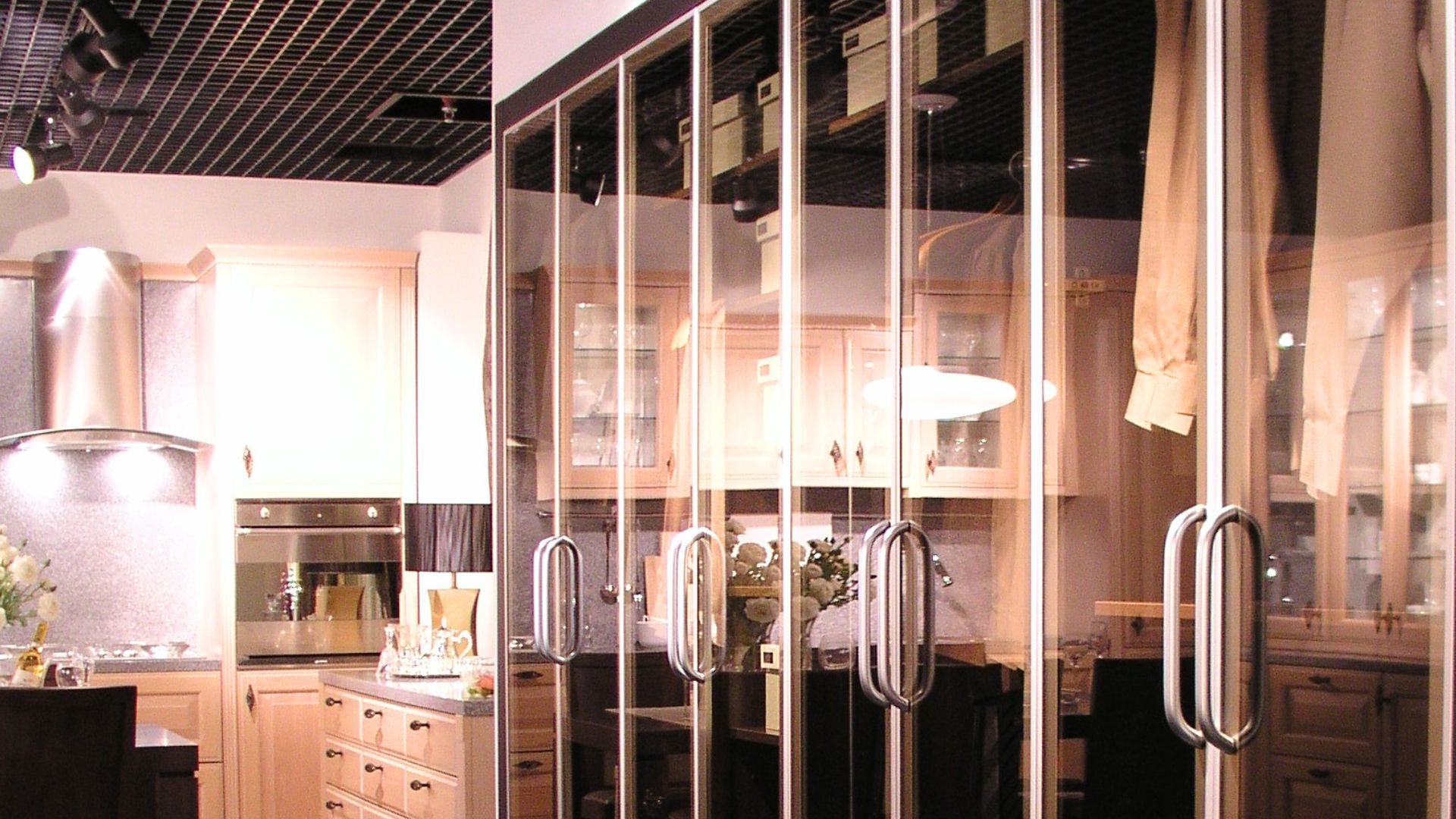
The kitchen spaces highlight Hanssem’s modular systems while emphasizing usability and clarity. Clean layouts, integrated storage, and minimal forms allow users to focus on function. Lighting plays a central role—defining zones, highlighting surfaces, and creating a warm, inviting environment that encourages interaction.
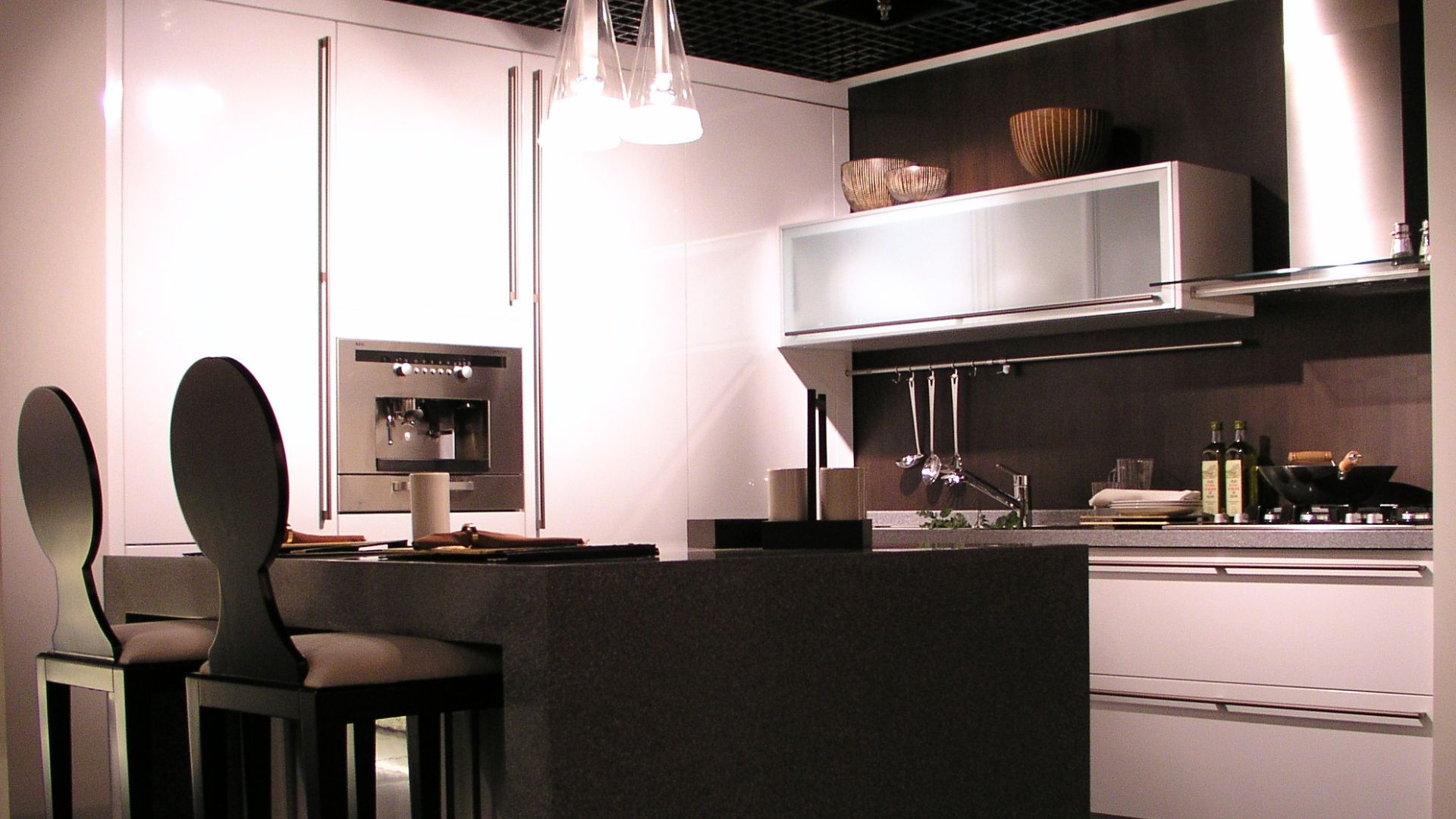
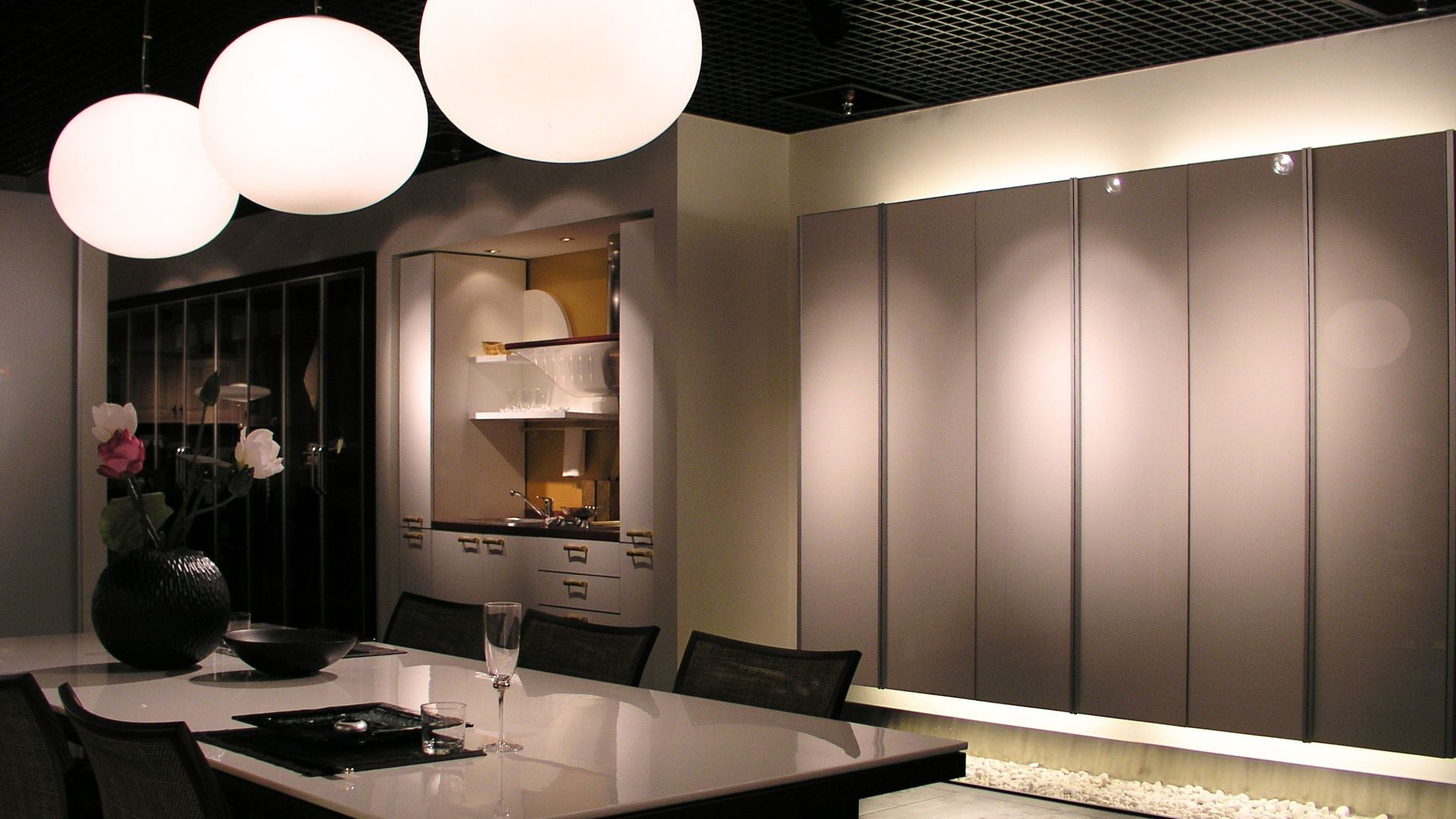
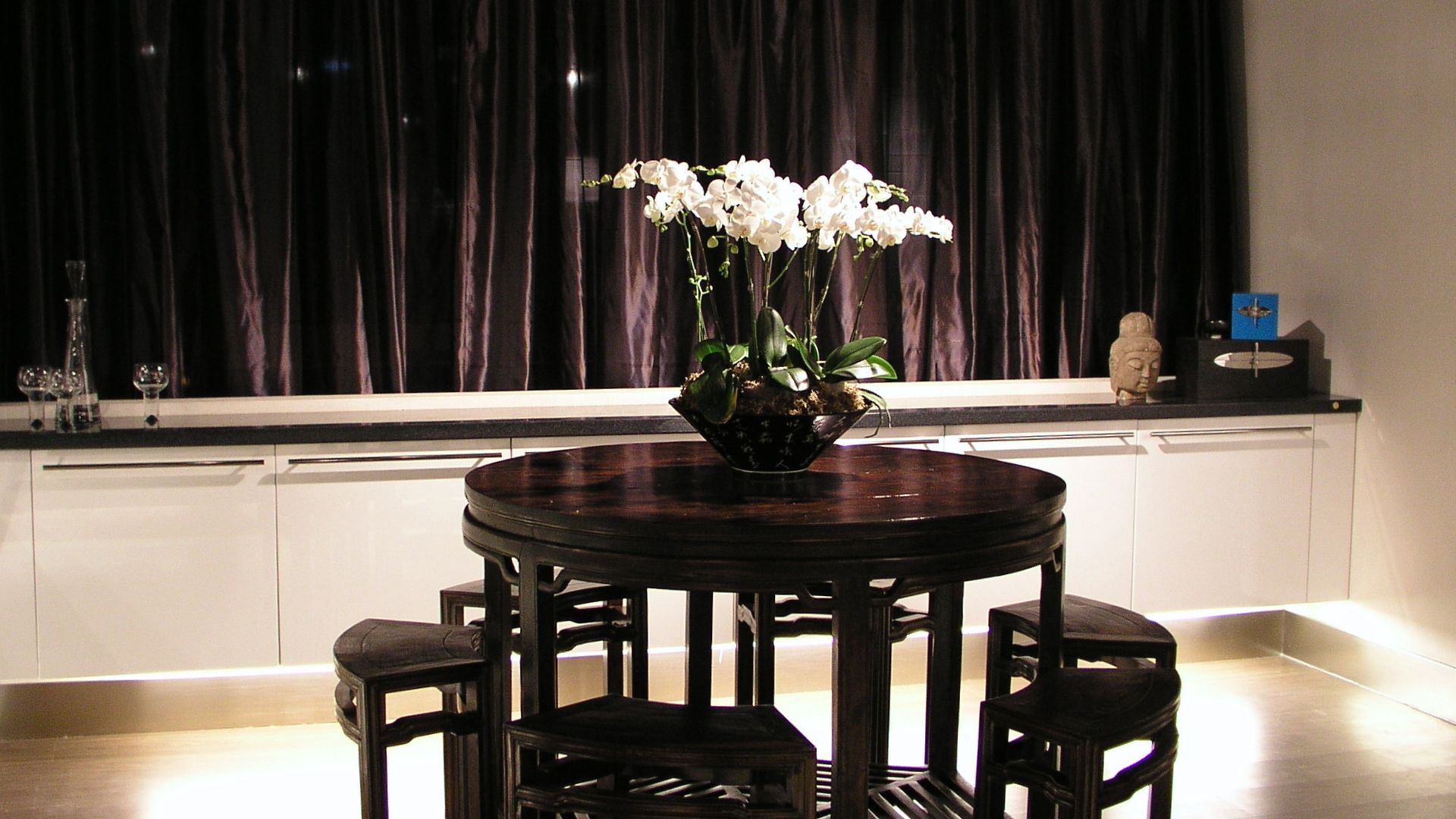
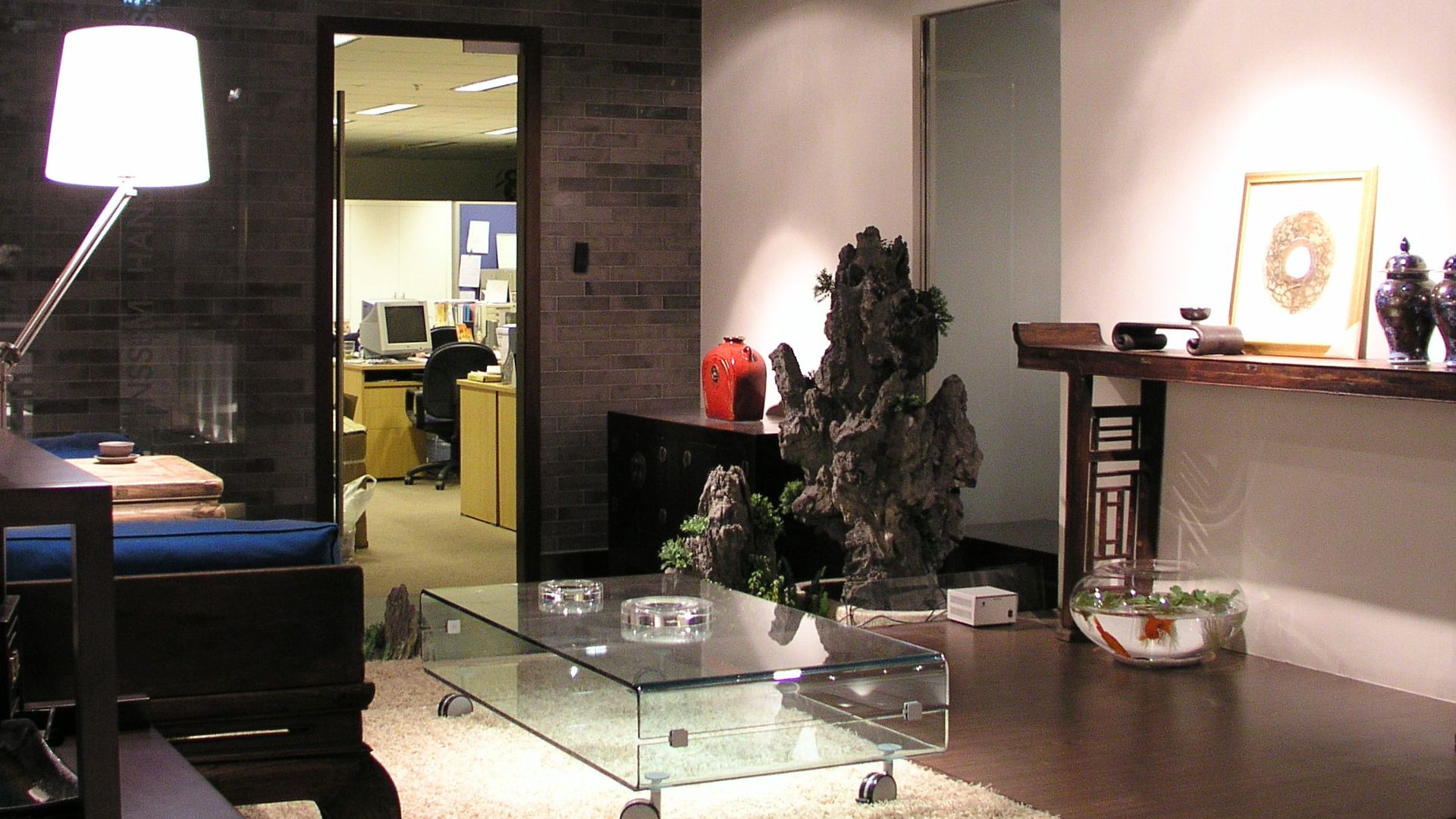
The showroom blends kitchen, dining, and living areas to reflect real-life usage rather than isolated product displays. Traditional Chinese furniture elements are integrated with modern cabinetry systems, creating a dialogue between heritage and contemporary living.
Key Details
Outcome & Reflection
This project reinforced that successful design extends beyond visual composition—it requires understanding people, culture, and execution constraints. Through this experience, I learned: